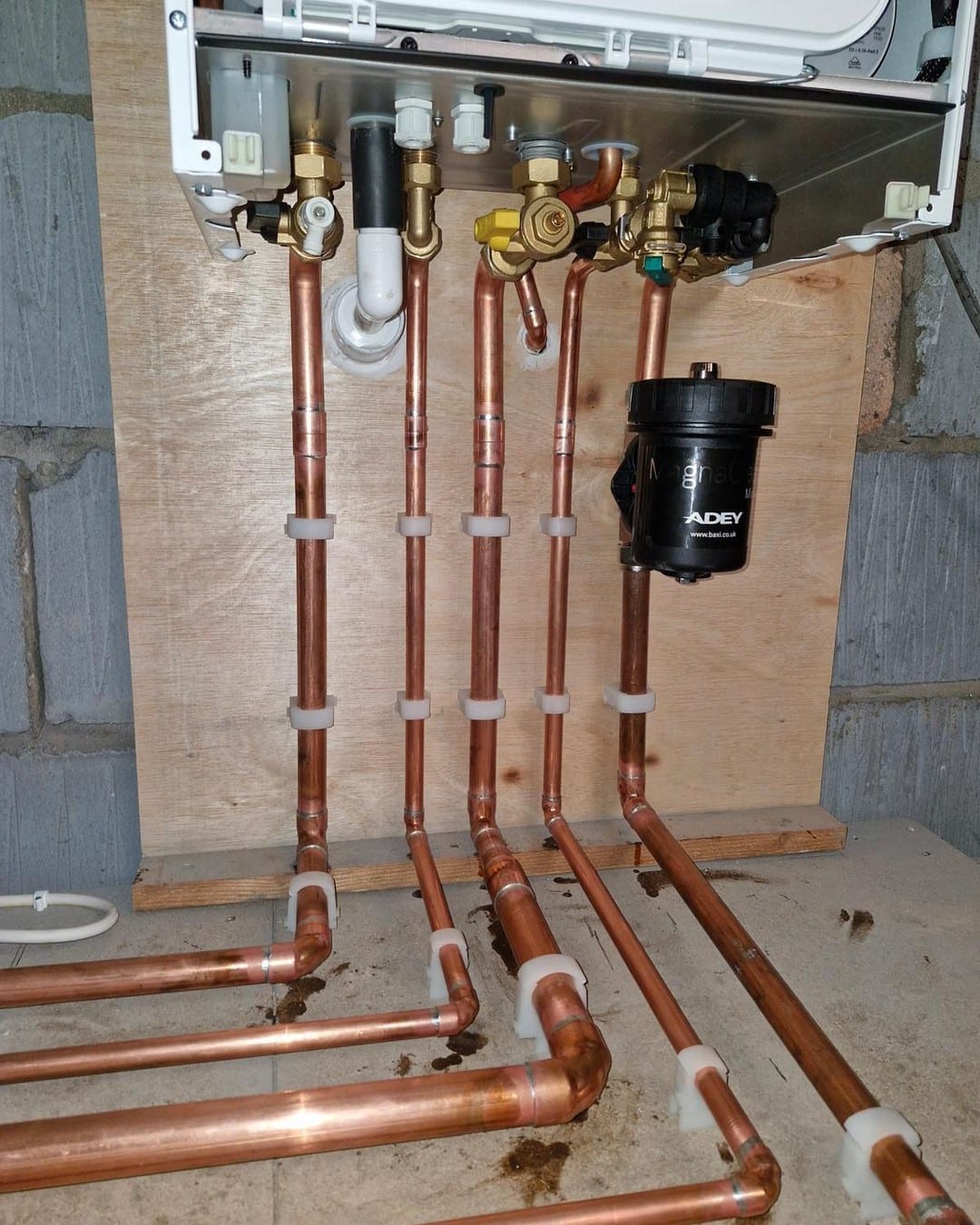
Heating repairs, radiators, powerflush, boilers
Local heating engineer for Bridgend, the Vale, Neath and Port Talbot
Radiators cold at the bottom, pressure dropping every week, a back bedroom that never warms up? We are a local heating engineer team based in Pencoed. Diagnosed first, priced before we start, Gas Safe registered.
What is the heating doing?
Send the job. We come back to you, wherever you are in our area, and price it before we start.
- 5.0 from 213Google reviews
- Gas Saferegistered engineers
- City and Guildsqualified, Baxi approved
- Pencoed basedjunction 35 of the M4
What we fix as your local heating engineer
Everyday heating work that keeps a house warm, from a single sticking valve to a full flush and a new boiler. Fixed pricing agreed before we start, and the same engineers on the small jobs as the big ones.
-
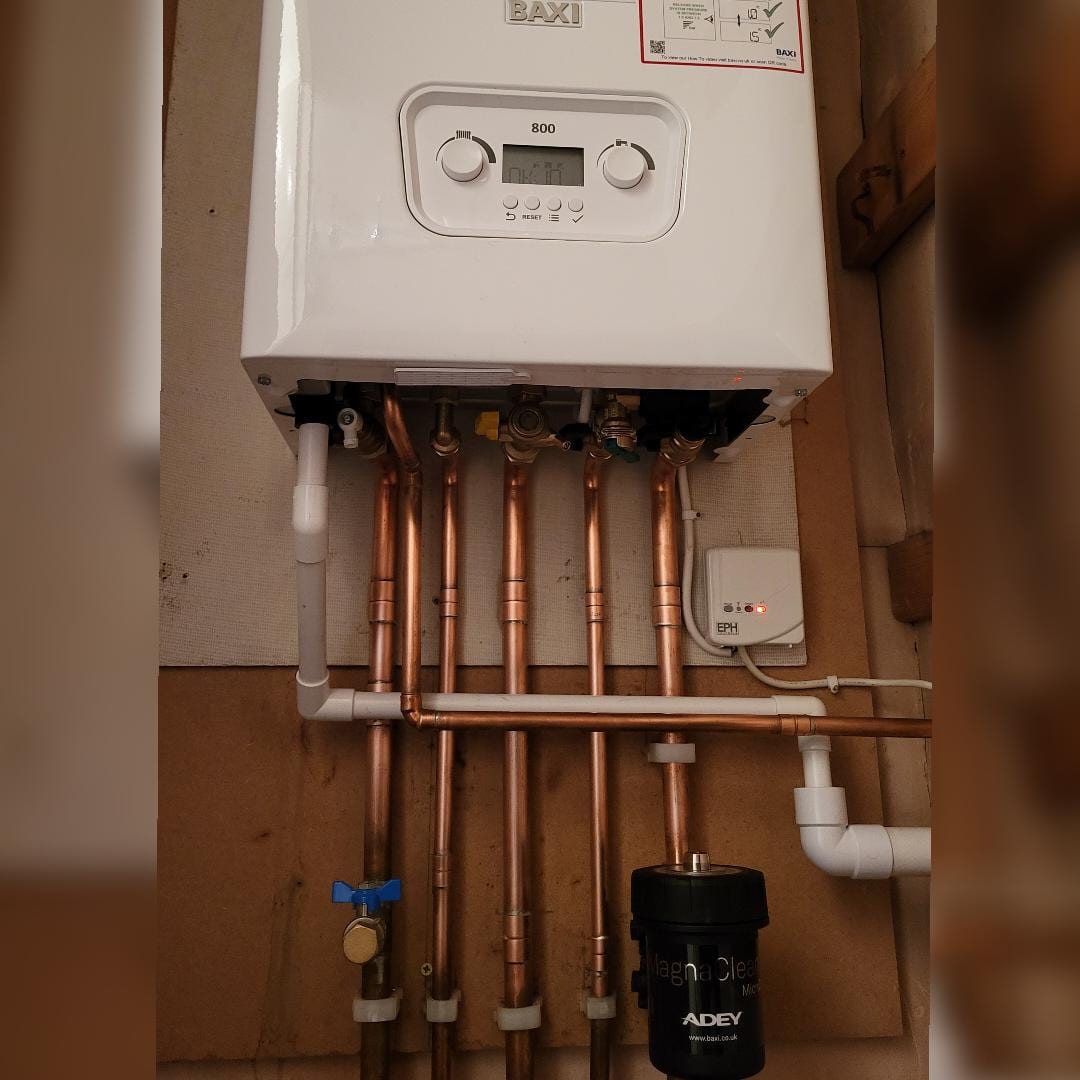
Heating repairs
No heat, no hot water, a boiler locked out on a fault code.
- Diagnosed properly, shown to you
- Common parts carried with us
- Repair priced before any work
Priced before we start Get it sorted -
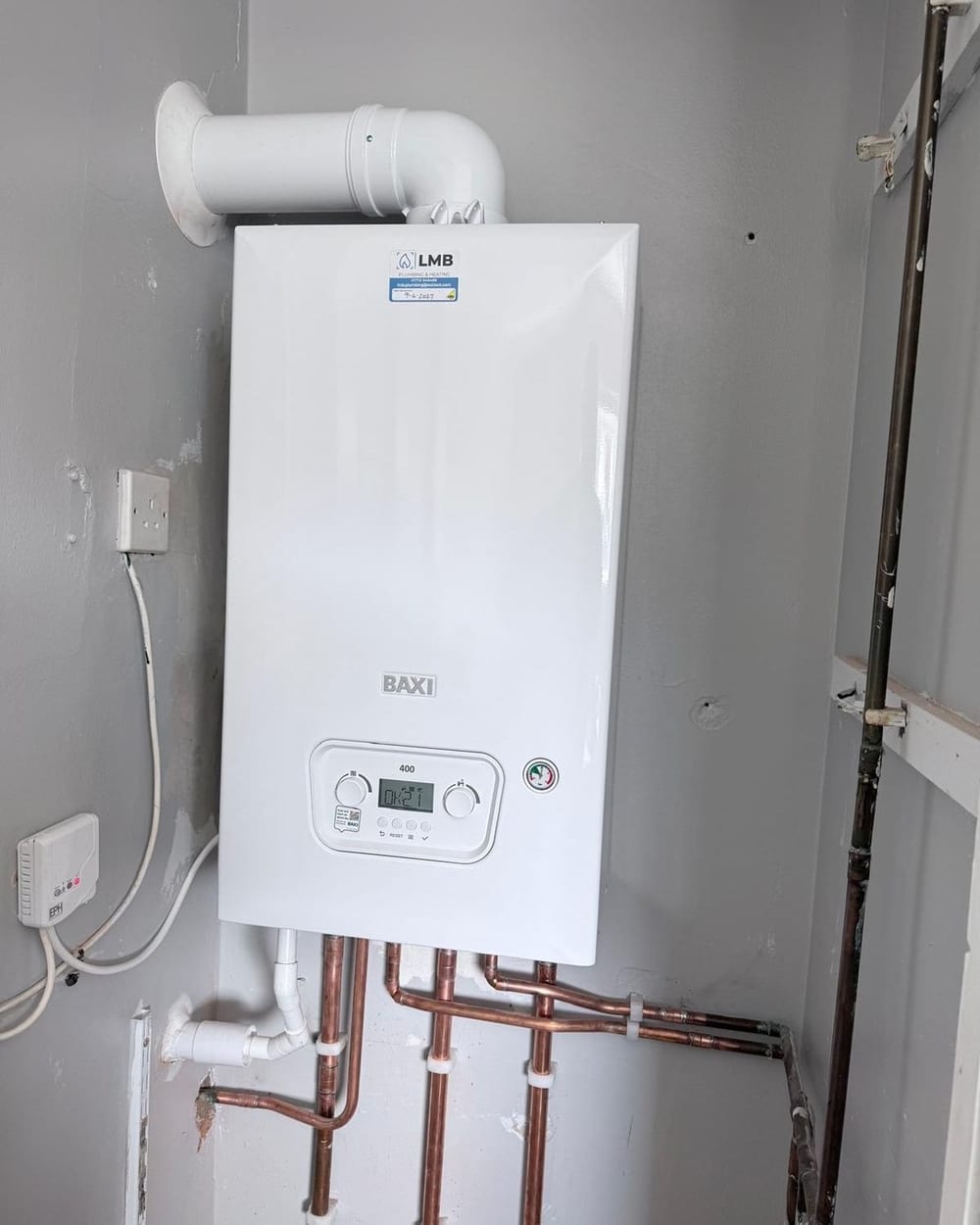
Radiators and valves
Swaps, moves, new runs and thermostatic valves.
- Radiator swaps and moves
- Thermostatic valves fitted
- System rebalanced afterwards
Priced before we start Get it sorted -
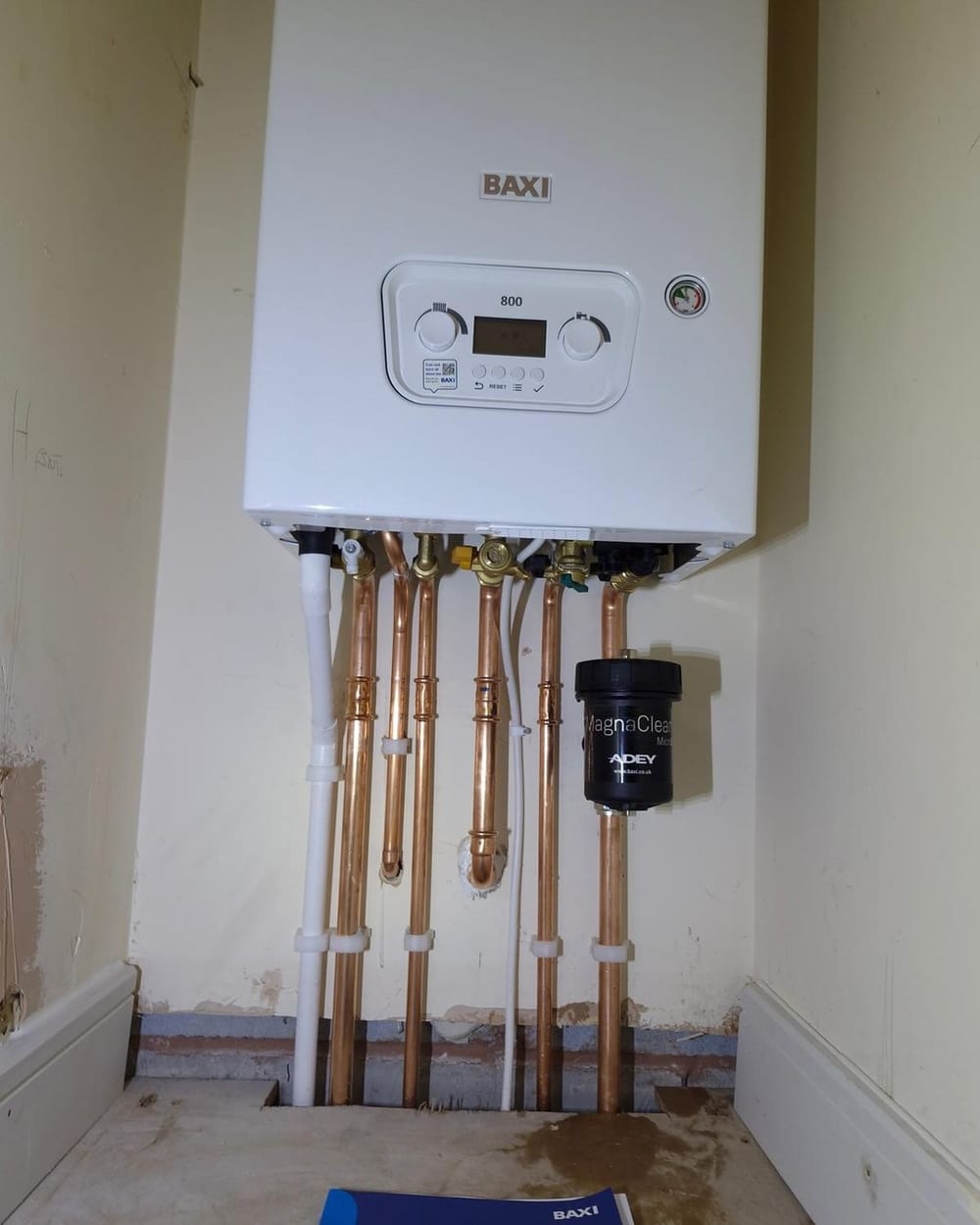
Powerflushing
Sludge out of the radiators and the boiler, for good.
- Machine flush, right chemicals
- Magnetic filter fitted after
- Told straight if you do not need one
Priced before we start Get it sorted -
Boiler servicing
The annual check that keeps it safe and the warranty valid.
- Flue gas analyser readings
- Seals, condensate, safety devices
- Written record, under an hour
£84 annual service Get it sorted -
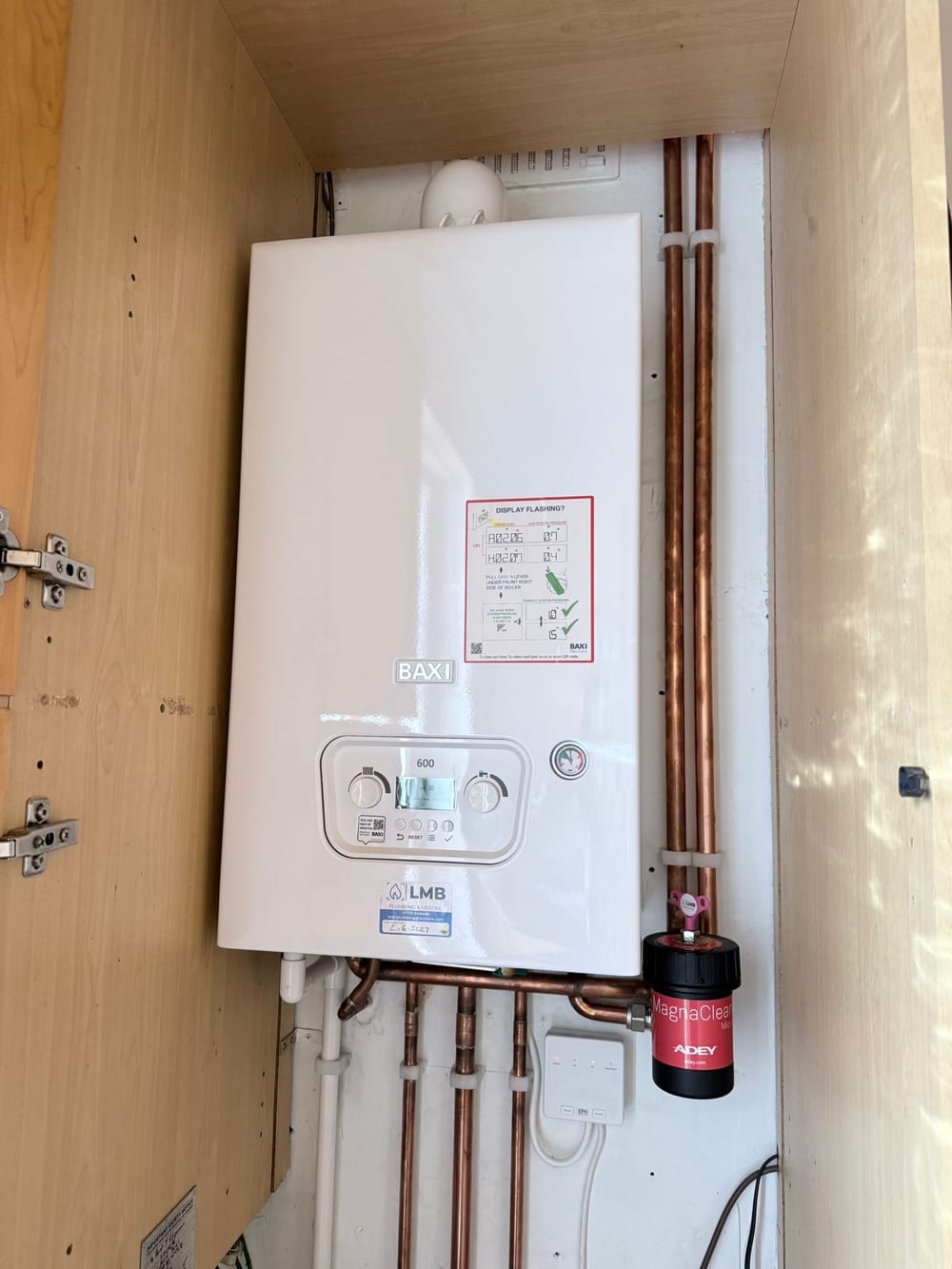
New boilers
Baxi, Ideal, Vaillant and Worcester Bosch combis.
- Flush and magnetic filter included
- Old boiler taken away
- Warranty registered for you
From £1,900 fitted with VAT Get it sorted -
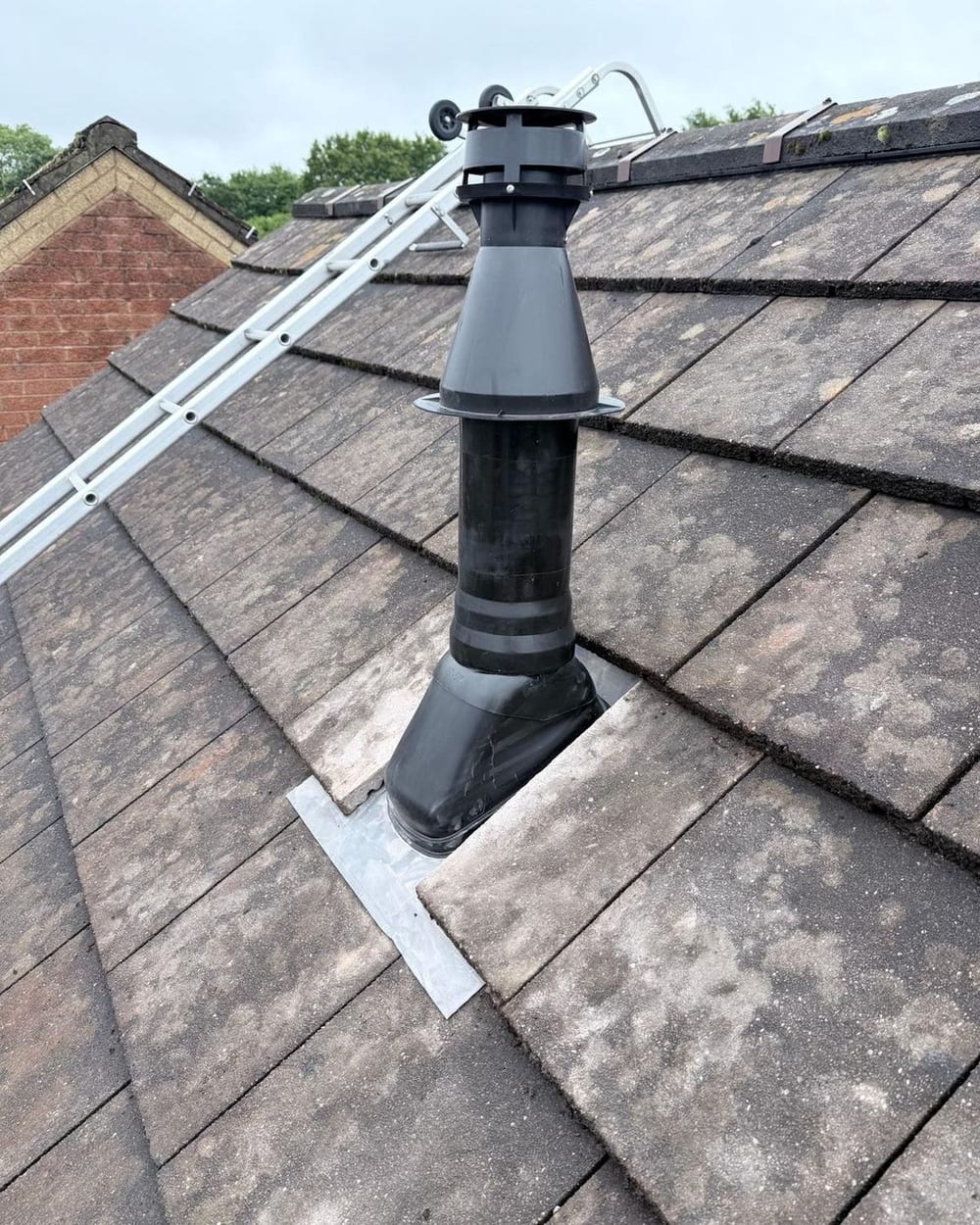
Underfloor, oil and LPG
Underfloor heating, and homes off the gas main.
- Underfloor laid, tested, commissioned
- LPG installs, servicing and repairs
- Now registered for oil; site visit first
Priced before we start Get it sorted
How your local heating engineer works
- Step 1
Tell us the symptom
What it is doing, the fault code if there is one, and your postcode. A photo on WhatsApp helps.
- Step 2
Diagnosed, then priced
The fault found and shown to you. The price comes before any work, never after it.
- Step 3
Fixed and tested
Left running properly, not just clear of a fault code. And straight advice if it is not worth fixing.
Before you ring
Which heating fault have you got?
Where the cold is, and what the boiler is doing, usually tells you the fault. Get that right and you avoid paying for the wrong fix.
- Radiator cold at the top
- Air. Bleed it: heating off, radiator key, open slowly until water shows, then check the boiler pressure. You can do this one yourself.
- Radiator cold along the bottom
- Sludge settled in the radiator. Bleeding will not touch it. One radiator can come off and be flushed; several means a powerflush and a filter.
- Near rooms warm, far rooms cold
- Nothing is broken. The system needs balancing, so the radiators nearest the boiler stop taking more than their share.
- Pressure keeps dropping
- Once or twice a year is normal. Weekly means a leak or an expansion vessel that has lost its charge. We find which before quoting.
- Banging or kettling
- Limescale on the heat exchanger, so the water boils in patches. Worth acting on, because left alone it shortens the life of the boiler.
- Hot water gone, heating fine
- Usually the diverter valve sticking. A common repair, not a new boiler.
Powerflushing
Powerflushing, done so it lasts
- 1
Find it
Cold along the bottom of several radiators, black water when you bleed, a boiler that bangs or kettles. That is a dirty system.
- 2
Flush it
A proper flush with the machine and the right chemicals, radiator by radiator, until the water runs clean.
- 3
Stop it coming back
A magnetic filter fitted on the return, so the magnetite gets caught instead of settling in the radiators and the boiler.
Every powerflush is priced before we start. If one radiator can simply come off and be flushed, we will tell you that instead.
Price my flush5.0 from 213 Google reviews
Read them all on Google-
"A boiler breakdown and installation of a gas hob and he is no ordinary plumber, when he says he'll be there he is, and his prices are good, which can be unusual these days. Workmanship and attention to detail spot on. Would recommend him without question."
David Harding
-
"This is a company that is highly recommended in any aspect of a gas boiler, whether it be a repair, service or a replacement. The service that's offered is one of the best I have come across. Nothing is too much trouble. Very honest and trustworthy. Five stars all day long."
Nicola Wallace
-
"Great and reliable service. Called out in an emergency for a boiler replacement and was fitted within 2 days at a reasonable price. Efficient and clean working. Highly recommend"
Jack Donovan
-
"Fitted a new boiler for me. Great professional service. Excellent all round, trusted and highly recommended."
Phil
How far we travel
Local heating engineer across Bridgend, the Vale, Neath and Port Talbot
We are based in Pencoed, just off junction 35 of the M4. Not sure where you sit? Send your postcode and we will tell you straight away.
Bridgend county
Home ground. Repairs, radiators, flushing, servicing and new boilers, and same-day call outs are usually possible.
The Vale of Glamorgan
Regular work from Cowbridge to Llantwit Major and up to Pontyclun. No travel charge, the quote is the price.
Neath and Port Talbot
A straight run west along the M4. Repairs, radiators, flushing, servicing and new boilers, the same as at home.
Questions people ask a local heating engineer
Where do you work as a local heating engineer?
Bridgend county is our home ground: Bridgend, Pencoed, Porthcawl, Pyle, Maesteg and the villages between. We also do regular work across the Vale of Glamorgan (Cowbridge, Llantwit Major, Pontyclun), and we cover all heating work in Neath and Port Talbot too.
How much does a heating repair cost?
It depends on the fault, so we diagnose first and price the repair once the fault is known, before anything is done. You know what the visit costs before we set off.
How much is a powerflush?
A powerflush depends on the size of the system and how dirty it is, so it is priced before we start. A magnetic filter is fitted afterwards so the sludge does not come straight back.
My radiators are cold at the bottom. Do I need a new boiler?
Almost certainly not. Cold along the bottom is sludge settled in the radiator. One radiator can be taken off and flushed; several usually means a powerflush and a magnetic filter.
Do you service boilers?
Yes. An annual boiler service is £84: analyser readings, gas rate, seals, condensate pipe and safety devices, with a written record. Usually under an hour.
Are you Gas Safe registered?
Yes. Our engineers are Gas Safe registered and City and Guilds qualified, and we are Baxi approved.
Do you work on oil and LPG?
Yes. We install, service and repair LPG boilers, and we are now registered to work on oil boilers. Oil jobs always start with a site visit.
Will you tell me if a repair is not worth it?
Yes. If the boiler is not worth spending money on you get both numbers in front of you: the repair and a fixed replacement price. New boilers are fitted from £1,900 with VAT.
Tell your local heating engineer what is wrong
Tell us the symptom, the fault code if there is one, and where you are. Half the diagnosis happens before we arrive, and it decides which part comes with us.
Heating advice from the engineers
All heating advice- Radiator cold at the bottom, hot at the top? A radiator that is cold along the bottom is full of sludge, not broken. Why it happens, why bleeding will not help, and when a local heating engineer flushes the system.
- Is a powerflush worth it? When a powerflush is the right answer for your heating, when it is not, and why the magnetic filter afterwards matters as much as the flush.
- Heating pressure keeps dropping? Topping up once a year is normal. Weekly is a fault. How to read the gauge, where the water usually goes, and why constant top-ups make the system worse.